This Post Will Show You How to Prepare Emotionally for Graduation: A Real-Life Guide for Every Student.
Graduation is often described as one of the happiest moments in life. It is the season of gowns, photographs, smiles, and celebration after years of academic effort. However, beneath the excitement, graduation also carries emotions that are rarely talked about. Along with happiness, there is fear, uncertainty, confusion, and emotional pressure.
As my own graduation approached, I began to notice something important. Although we are taught how to pass exams, complete projects, and defend research, very little attention is given to preparing emotionally for life after school. The shift from being a “student” to becoming a “graduate” is not just academic, it is deeply emotional.
For this reason, I decided to share how I personally prepared myself emotionally for graduation and How to Prepare Emotionally for Graduation. This is not a perfect formula, nor is it a rigid checklist. Instead, it is a real and honest guide. If you feel overwhelmed, excited, scared, or unsure about graduating, I hope these words help you feel seen, understood, and supported.
How to Prepare Emotionally for Graduation
Understanding That Graduation Is More Than a Ceremony

Before emotional preparation could begin, I had to redefine what graduation truly meant to me. Initially, I believed it was simply about collecting a certificate and taking pictures. Over time, however, the reality became clearer.
Graduation represents several major changes at once, including:
- Leaving a familiar environment
- Saying goodbye to friends
- Letting go of the comfort of being “a student”
- Facing adult responsibilities
- Stepping into an uncertain future
Because of this, graduation is not just an event. Instead, it is a life transition. Every transition brings emotional shifts, whether expected or not.
Once I accepted that graduation could feel both joyful and heavy, I stopped criticizing myself for feeling nervous, sad, or confused. That acceptance alone brought emotional relief.
Allowing Space for Every Emotion Without Guilt

One of the biggest mistakes I almost made was trying to appear strong at all times. People constantly said things like, “You should be happy,” or “This is a good thing, why are you worried?” While their intentions were kind, those statements made me question my feelings.
Yes, graduation is a positive milestone. At the same time, it does not cancel out fear or uncertainty.
On some days, I felt excited, proud, and grateful. On other days, anxiety, sadness, and self doubt took over. Instead of fighting these emotions, I learned to acknowledge them.
Emotional preparation begins with permission. When you allow yourself to feel without shame, healing becomes possible. Crying one day and smiling the next does not mean something is wrong. It simply means you are human.
Reflecting on My Academic Journey

Another helpful step was reflection. Rather than rushing toward the future, I paused to look back. During this time, I asked myself meaningful questions such as:
- Where did I begin?
- What challenges did I overcome?
- What lessons shaped me?
- How have I grown over the years?
Through reflection, memories resurfaced, late nights, failed tests, group projects, laughter, stress, and friendships. Slowly, I realized that graduation was not an ending. Instead, it was proof that I had endured and grown.
To process these thoughts further, I wrote them down in a journal. Writing helped me understand my emotions while also reminding me how far I had come.
Releasing Comparison and External Pressure

As graduation drew closer, comparison quietly crept in. Some classmates already had jobs. Others were traveling, starting businesses, or pursuing advanced degrees. Meanwhile, my path still felt unclear.
At first, this created insecurity. Questions filled my mind. Was I behind? Was I failing? Why did everyone else seem more prepared?
Eventually, a realization changed everything. Life moves at different speeds for different people. Social media often highlights success while hiding confusion and struggle.
Once I shifted my focus inward, emotional peace followed. Letting go of comparison allowed me to breathe again.
You may also like:
30 Chic Graduation Nail Ideas to Celebrate Your Big Day
How to Plan a Cheap Graduation Party
Preparing for Life After School in Practical Ways

Uncertainty is one of the main reasons graduation feels emotionally heavy. Questions about employment, readiness, and failure can easily become overwhelming.
Instead of ignoring these fears, I chose to face them gently and honestly. Gradually, I began to:
- Research career paths
- Learn new skills
- Update my CV
- Seek opportunities
- Ask for guidance
With each small step, fear began to shrink. Confidence did not appear suddenly. Rather, it grew through preparation. Pretending to be fearless was never the solution. Taking action was.
Speaking Openly About Fears and Dreams

For a long time, I kept my worries to myself. I believed silence would make me appear strong. Unfortunately, it only made me feel isolated.
Eventually, I started talking, to friends, family members, mentors, and trusted seniors. Sharing my thoughts lifted an emotional weight I did not realize I was carrying.
To my surprise, many of them admitted they felt the same way when they graduated. That realization was comforting. Emotional preparation becomes lighter when you realize you are not alone.
Building Confidence Through Small Wins

Graduation can make it feel as though you are suddenly expected to have everything figured out. That pressure can quietly erode confidence.
Instead of focusing on big achievements, I celebrated small wins. Completing a short course, applying for opportunities, writing professional emails, and attending workshops all mattered.
Each small achievement reminded me that progress was happening. Confidence grows gradually, through consistent effort rather than perfection.
You may also like
25 Delicious Graduation Party Food Ideas
30 Perfect Graduation Picture Ideas
Accepting That Clarity Takes Time

One of the most freeing lessons I learned was accepting uncertainty. Society often suggests that by your early twenties, everything should be clear, career, purpose, and future.
In reality, growth rarely follows a straight line. Many successful people began unsure, confused, and uncertain.
Once I released unrealistic timelines, emotional pressure reduced. Exploration, learning, and even failure became part of the journey rather than signs of weakness.
Practicing Self-Care During the Transition
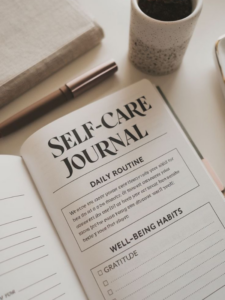
During my final year, emotional stress increased. To protect my mental well-being, I became intentional about self-care.
This included resting, eating well, taking breaks, praying, reflecting, spending time with loved ones, and limiting negative online content. Self-care was not indulgence. It was maintenance.
Without emotional care, it is difficult to move forward with clarity.
Creating New Goals for the Next Chapter
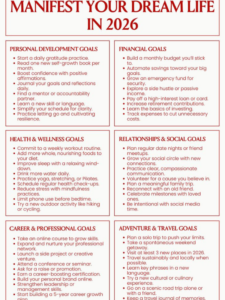
When school ends, direction can feel lost. To counter that feeling, I created new goals.
Some goals were short-term, such as learning new skills or building a portfolio. Others were long-term, including personal development, career growth, and financial stability.
These goals provided hope. More importantly, they reminded me that graduation marked a beginning rather than an ending.
Embracing Uncertainty With Courage
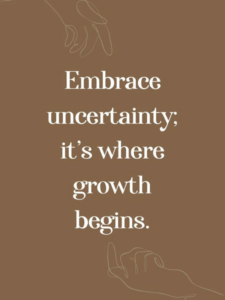
Uncertainty was the hardest lesson to accept. I wanted guarantees and clear answers. Life, however, rarely provides them.
Over time, I learned to trust growth. Saying “I will learn,” “I will try,” and “I will keep going” became acts of courage. Emotional strength developed not from certainty, but from willingness to move forward despite fear.
Celebrating Personal Growth Without Apology
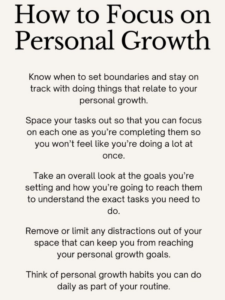
For a long time, I minimized my achievements. Graduation taught me otherwise. I stayed consistent. I showed up. I overcame challenges.
Allowing myself to celebrate was part of healing. Gratitude replaced self doubt, and pride replaced shame.
Graduation Is a Transition, Not a Destination
Preparing emotionally for graduation reshaped my mindset. It taught me patience, self compassion, and resilience.
Graduation is not the moment everything becomes perfect. Instead, it is the moment responsibility for growth becomes personal.
If you are approaching graduation, remember this: you are capable, worthy, and still learning. Take your time. Trust your journey. Step into your next chapter with courage and grace.
This post showed you How to Prepare Emotionally for Graduation.