This blog will show you How to Design Hair with Accessories: A Complete Guide to Styling Like a Pro.
Designing your hair with accessories seems easy at first. You see a beautiful clip, a stylish scarf, or a trendy headband, and you imagine how effortlessly it will elevate your look. But when you actually try it, something feels off. The accessory doesn’t sit right, your hairstyle won’t hold, or the overall look feels either too plain or overly done.
This is exactly where most people struggle.
If you’ve ever felt like your hair accessories don’t “work” the way they should, the problem isn’t you, it’s a lack of clear, practical guidance. Most tutorials show final looks without explaining the process, and that leaves you guessing.
In this guide, you will learn not just what to do, but how to do it properly. Every section is built around real struggles people face, so you can finally style your hair with confidence, intention, and ease. ( How to Design Hair with Accessories: A Complete Guide to Styling Like a Pro).
How to Design Hair with Accessories: A Complete Guide to Styling Like a Pro
Understanding Why Hair Accessories Matter
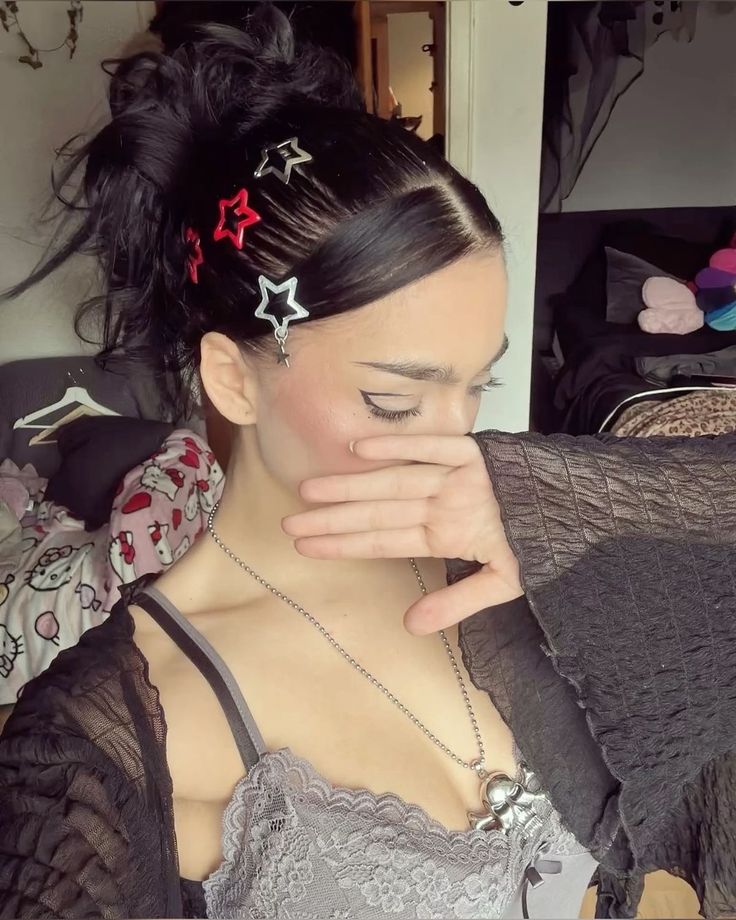
Hair accessories are more than just decorative pieces. When used correctly, they can completely transform your look without requiring complicated hairstyles.
They help you:
1. Turn simple hairstyles into polished looks
2. Express your personal style
3. Coordinate your appearance with your outfit
4. Save time while still looking intentional
However, the difference between a stylish look and a messy one often comes down to technique, balance, and understanding your hair.
Choosing the Right Accessories for Your Hair Type
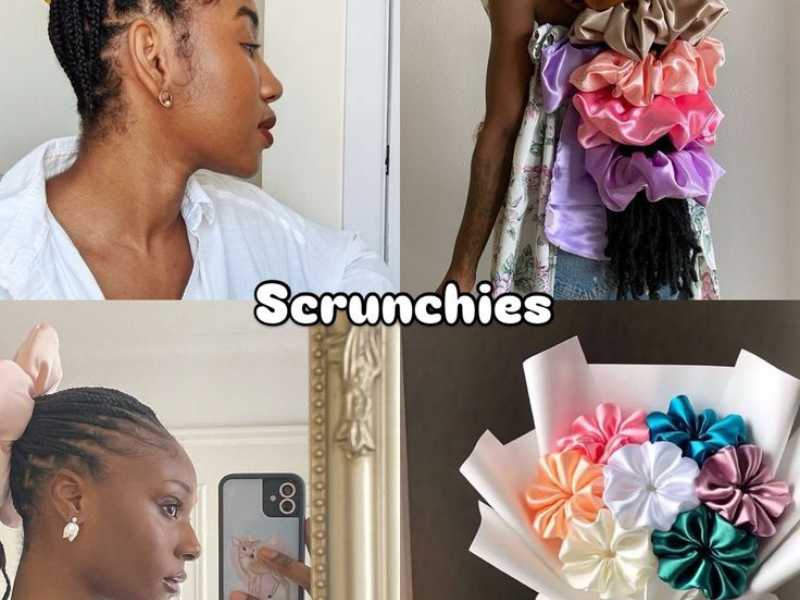
One of the biggest reasons people fail at styling with accessories is choosing pieces that don’t suit their hair texture or density.
If you have thick hair, small clips will not hold your hair properly. You may find yourself constantly readjusting your style throughout the day. In this case, large claw clips, sturdy pins, and wide headbands are your best options because they provide enough grip and support.
For those with fine or silky hair, the issue is the opposite. Accessories tend to slide off easily. Smooth textures don’t create enough friction for clips to stay in place. This is why matte clips, textured pins, and lightweight accessories work better. They grip the hair instead of slipping off it.
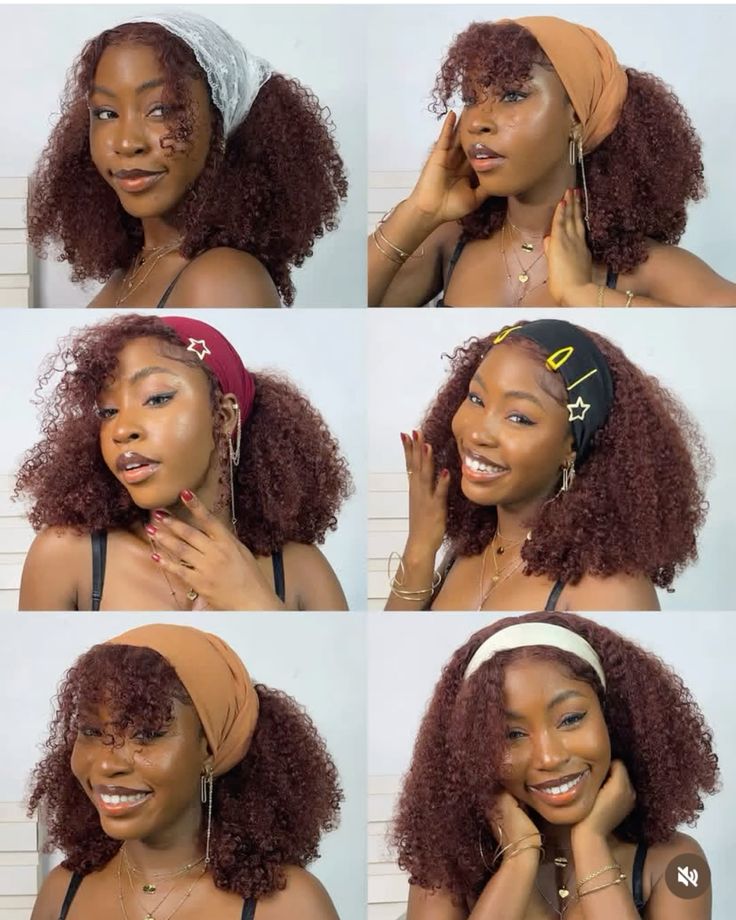
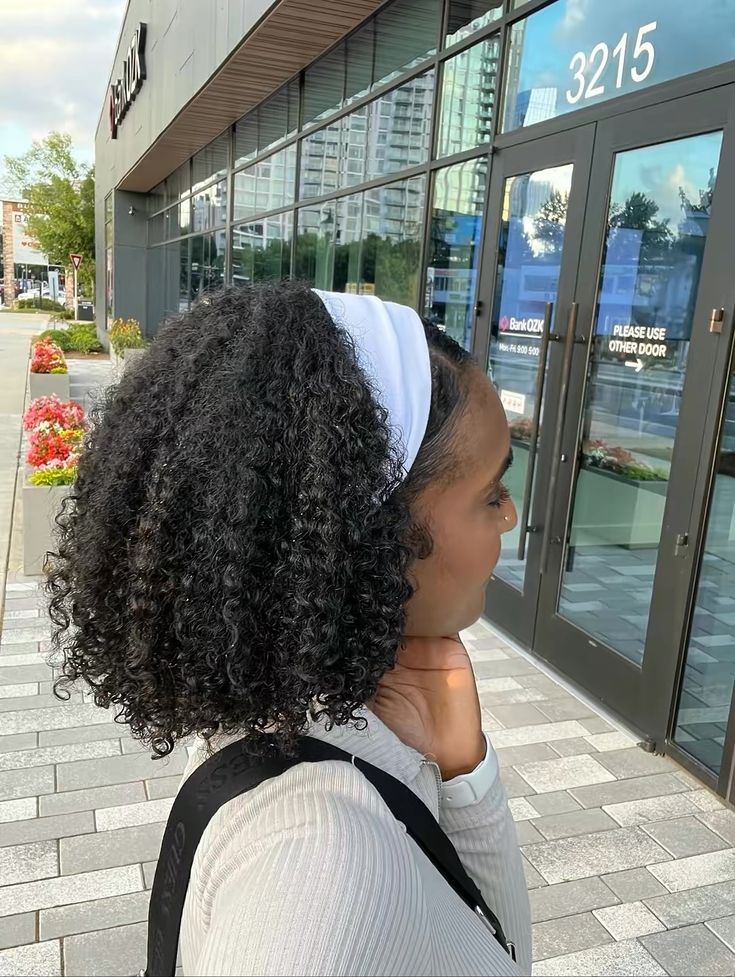
If your hair is natural, or highly textured, your priority should be protection. Tight or sharp accessories can pull your edges or cause breakage over time. Soft, fabric-based accessories like satin scrunchies or silk scarves are ideal because they reduce friction and protect your strands.
Understanding your hair type is the foundation of everything. Without this, even the most beautiful accessory will not give you the result you want.
You may also like:
How Often Should You Retwist Your Locs?A Complete Locs Guide
How to Get Rid of Dandruff at Home
How to Make Hair Accessories Stay in Place All Day
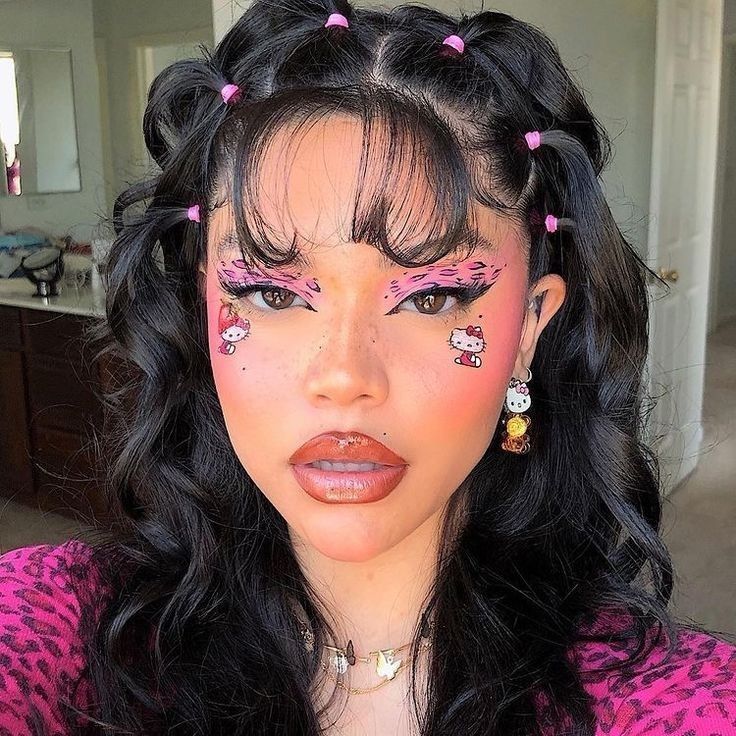
A common frustration is styling your hair perfectly, only for it to fall apart shortly after. This usually happens because the foundation of the hairstyle is weak.
The first thing to understand is that freshly washed hair is often too soft to hold styles. Slightly textured hair, either from the previous day or with the help of dry shampoo, provides better grip. This small change alone can make a big difference.
Another important technique is how you secure your accessories. Instead of placing a clip over a large section of hair, try securing a smaller portion first. This gives the accessory something firm to hold onto. For bobby pins, crossing them in an “X” shape creates a stronger hold than placing them parallel.
Layering your hold is also key. Don’t rely on a single accessory if your hair is heavy or your style is complex. Combining pins, clips, and light styling products can keep everything in place for longer.
Finally, consider your environment. If you live in a humid area, your hair is more likely to lose structure. In that case, using a light hairspray or styling cream can help maintain your look throughout the day.
Check this out:
Stunning Prom Hair Inspo for Everyone
How to Style Accessories Without Looking Overdone
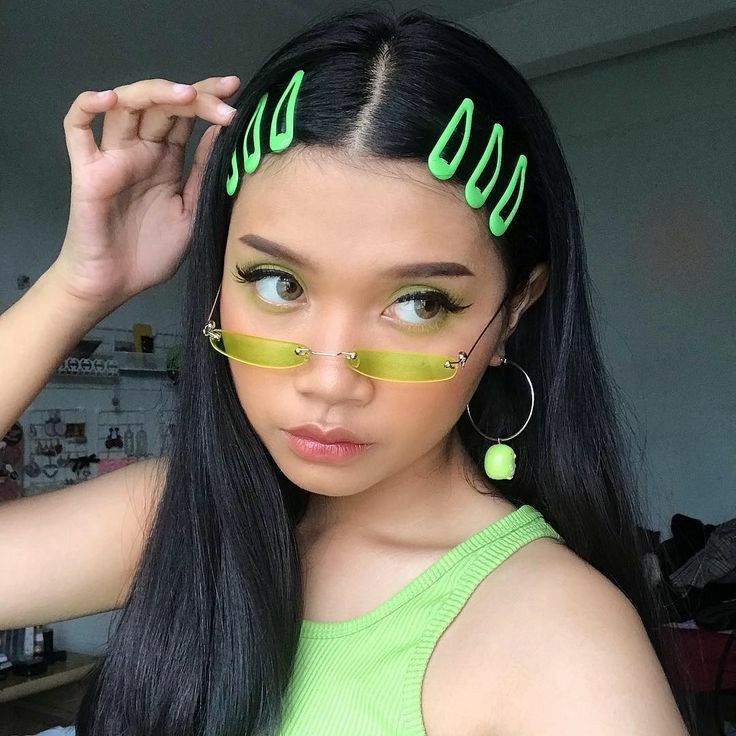
Many people avoid hair accessories because they are afraid of looking excessive or unbalanced. The truth is, styling is not about how many accessories you use, but how well you use them.
A simple rule to follow is to choose one focal point. If you are wearing a bold headband, keep the rest of your hair simple. If you are using decorative clips, avoid adding too many other elements that compete for attention.
Balance also depends on your outfit. If your clothing is already detailed or colorful, your hair should be more subtle. On the other hand, if your outfit is simple, your hair accessories can add interest and personality.
Another important factor is consistency. Your accessories should match the overall style you are going for. For example, elegant pearl clips work well with classy or feminine outfits, while sporty headbands suit casual looks.
When in doubt, always choose simplicity. A clean and intentional style will always look more refined than an overcomplicated one.
Matching Hair Accessories with Your Outfit and Occasion
Source
Styling your hair without considering your outfit or event is one of the quickest ways to create a disconnected look.
For everyday casual settings like school or errands, simple accessories such as scrunchies, small clips, or basic headbands work best. They are comfortable, practical, and still stylish.
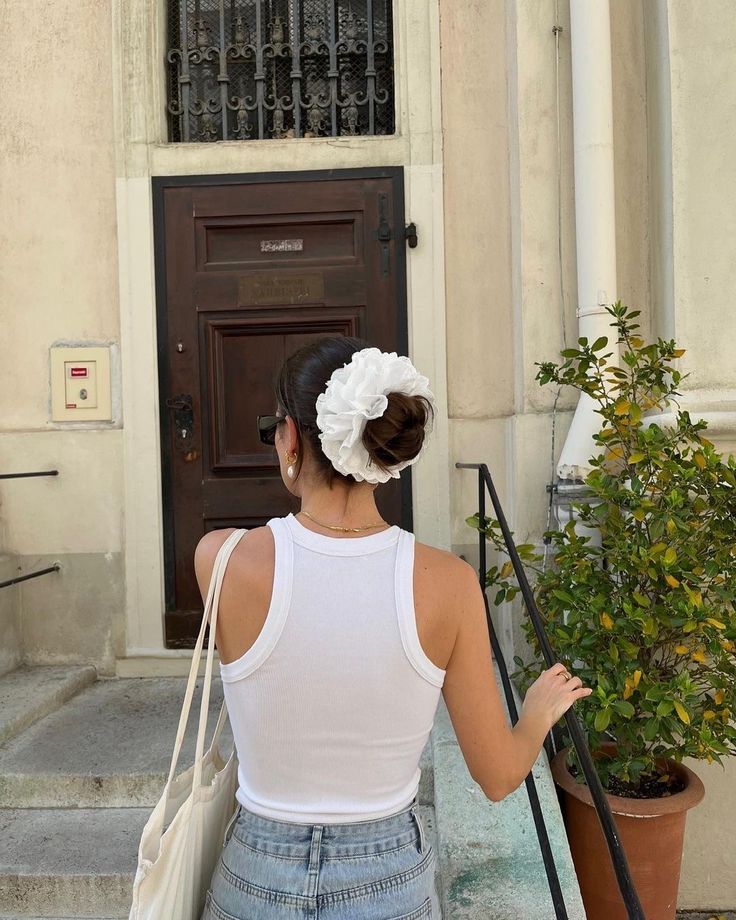
In professional or formal environments, your goal should be neatness and minimalism. Neutral-colored accessories, sleek ponytails, or low buns with subtle pins create a polished appearance.
When going on a date or attending a social outing, you can experiment a bit more. Soft curls paired with a decorative clip or a neatly tied scarf can create a romantic and put-together look.
For special events like weddings or parties, this is where statement accessories shine. Metallic clips, pearl details, or bold headpieces can elevate your hairstyle and make it stand out.
Color coordination is equally important. Matching your accessories with elements of your outfit creates harmony. If you are unsure, neutral tones like black, brown, gold, or white are always safe choices.
Step-by-Step Hairstyles You Can Actually Follow
Many tutorials skip the process, but understanding how to build a hairstyle step by step is what makes the difference.
A simple half-up style is one of the easiest places to start. You take the top section of your hair, gently pull it back, and secure it with a clip. The key here is not to pull too tightly. Leaving a bit of softness around your face makes the look more natural.
A sleek low ponytail is another reliable option. After brushing your hair smoothly, you secure it at the nape of your neck and add a scrunchie. To elevate the look, you can wrap a small section of your hair around the base to hide the band.
For a softer, more feminine style, try a side clip. Part your hair to one side, take a small section near your temple, and secure it with a decorative clip. This style works well for both casual and semi-formal occasions.
If you want something more stylish, a scarf-wrapped ponytail is a great choice. After tying your hair, wrap a scarf around the base and let the ends fall naturally. This adds movement and visual interest without much effort.
The goal is to start simple and build confidence. Once you master basic styles, you can begin to experiment with more creative variations.
Expanding Your Style: Fresh and Trendy Ideas
If you find yourself repeating the same hairstyles, it’s usually because you haven’t explored different ways to use your accessories.
Instead of placing one clip, try layering two or three smaller clips on one side for a modern look. You can also experiment with claw clips by creating loose, messy buns that feel effortless but stylish.
Braids are another great way to incorporate accessories. Adding beads, rings, or small clips to your braids can completely change the look.
You can also try combining textures, such as pairing a sleek hairstyle with a soft fabric accessory. This contrast adds depth and makes your style more interesting.
Trends change, but the key is to adapt them in a way that suits you rather than copying them exactly.
Styling on a Budget Without Compromising Your Look
Looking stylish does not require expensive accessories. What matters most is how you use what you have.
Start with basic pieces in neutral colors. These are versatile and can be styled in multiple ways. Instead of buying many accessories, focus on a few quality items that you can reuse.
You can also get creative with DIY options. Old scarves can be turned into headbands, ribbons can be used as hair ties, and plain clips can be decorated to match your style.
Shopping smart is also important. Local markets and budget stores often have stylish options at affordable prices.
The goal is not to have more, but to use what you have effectively.
Protecting Your Hair While Styling
Source
While styling is important, maintaining healthy hair should always come first.
Tight accessories can cause tension, leading to breakage or damage over time. It is important to avoid pulling your hair too tightly, especially around your edges.
Accessories with sharp edges or rough surfaces should also be avoided, as they can snag and weaken your strands.
Instead, choose soft materials like fabric, satin, or coated clips. These are gentler on your hair and reduce the risk of damage.
It is also important to rotate your hairstyles. Wearing the same tight style every day can stress certain areas of your hair. Giving your hair breaks allows it to recover and stay healthy.
Choosing Styles That Suit Your Face Shape
Not every hairstyle will look the same on everyone, and that’s completely normal. Understanding your face shape helps you choose styles that enhance your features.
If you have a round face, adding height at the top can create a more balanced look. Styles like high buns or lifted ponytails work well.
For oval faces, most styles are flattering, so you have more freedom to experiment.
If your face is more angular or square, softer styles like waves or side parts can help balance strong features.
For heart-shaped faces, styles that add volume at the lower part of your hair create a more even appearance.
The goal is not to follow strict rules, but to understand what enhances your natural features.
Common Mistakes to Avoid
Many styling issues come down to a few common mistakes.
Using too many accessories at once can make your look feel cluttered. Keeping things simple often creates a more polished result.
Ignoring your hair type can lead to frustration when accessories don’t stay in place. Always choose what works for your hair, not just what looks trendy.
Skipping proper preparation is another issue. Without a good base, even the best accessories won’t hold.
Lastly, trying to copy styles exactly as you see them can be limiting. What works for someone else may need adjustments to suit you.
Building Confidence in Your Styling Skills
Confidence plays a major role in how your hairstyle comes across. Even simple styles can look stunning when worn with confidence.
Start by practicing basic styles until they feel natural. Take your time to understand what works for you and what doesn’t.
It’s also helpful to take pictures of your hairstyles. This allows you to see your progress and identify what you like.
Remember that styling is a skill. The more you practice, the better you become.
Designing your hair with accessories is not about perfection. It is about understanding your hair, choosing the right pieces, and styling them in a way that feels natural to you.
Most of the challenges people face come from lack of guidance, not lack of ability. Once you learn how to choose the right accessories, secure them properly, and balance your overall look, everything becomes easier.
Start with simple styles, build your confidence, and gradually explore new ideas. With time, you will develop your own unique approach to styling.
And when you reach that point, hair accessories will no longer feel confusing—they will become one of your easiest and most powerful styling tools.
This blog post showed you How to Design Hair with Accessories: A Complete Guide to Styling Like a Pro.